SPG Provides Professional & Innovational Solutions With Maximum
Premium Pharmaceutical Packaging Solutions with Durable Light-Resistant Glass Storage Containers
Time:
May 13,2026
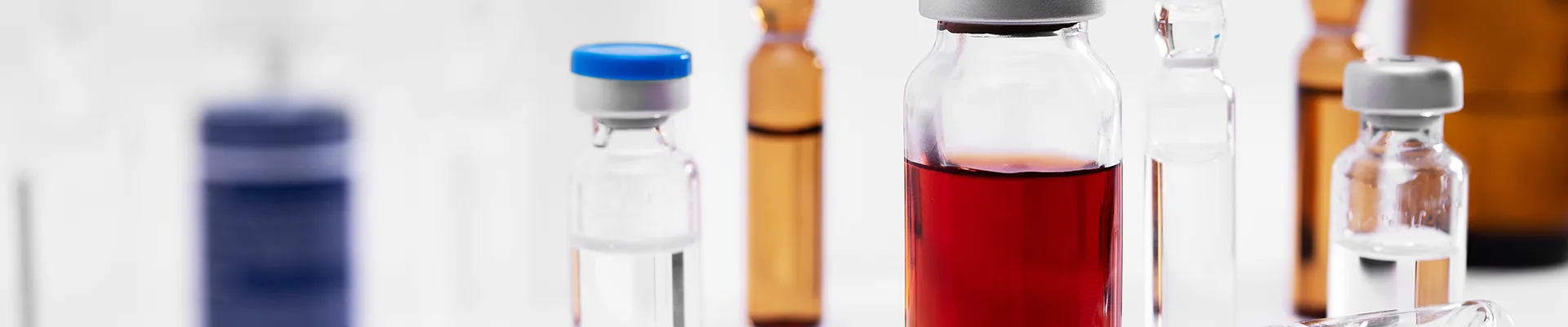
Amber glass container for medicine is widely recognized as a reliable and professional packaging solution in the pharmaceutical and healthcare industries. Designed to provide excellent protection against light, moisture, and external contamination, this type of packaging is ideal for preserving the stability and effectiveness of medical products. Many pharmaceutical manufacturers choose amber glass because it helps protect sensitive ingredients from ultraviolet rays that may reduce product quality over time. The dark amber color effectively filters harmful light while maintaining a clean and professional appearance suitable for pharmaceutical applications.
Glass packaging has long been trusted for medicine storage because it is chemically stable and non-reactive. Unlike some plastic materials, glass does not easily interact with pharmaceutical ingredients, ensuring the purity and safety of tablets, capsules, syrups, powders, herbal extracts, essential oils, and laboratory chemicals. This makes glass containers highly suitable for products requiring long-term storage and strict quality standards. The smooth interior surface also helps reduce residue buildup and allows easy cleaning during production and reuse processes.
In modern pharmaceutical packaging, durability and sealing performance are extremely important. High-quality glass containers are often equipped with secure screw caps, aluminum lids, rubber stoppers, or dropper systems to create airtight storage conditions. Effective sealing can prevent moisture, oxygen, dust, and bacteria from entering the container, helping maintain product quality during transportation and storage. Leak-resistant packaging is especially valuable for liquid medicines, chemical reagents, and essential oil products that require safe handling and accurate dosage control.
Pharmaceutical glass packaging is available in many different shapes and capacities to meet diverse industry requirements. Small-capacity bottles are commonly used for essential oils, eye drops, and concentrated liquids, while larger containers are suitable for syrups, laboratory solutions, and healthcare supplements. Manufacturers can also provide customized bottle designs, including different neck finishes, embossed logos, printed labels, frosted surfaces, and special cap options. Customized packaging not only improves product presentation but also helps companies strengthen brand identity in competitive markets.
Environmental sustainability has become increasingly important in the packaging industry, and glass remains one of the most eco-friendly materials available. It can be recycled repeatedly without losing quality, reducing waste and supporting environmentally responsible production practices. Many healthcare and pharmaceutical companies are adopting recyclable glass packaging to meet global sustainability goals and improve consumer confidence. Reusable glass containers also contribute to reducing plastic pollution and promoting greener packaging alternatives worldwide.
The pharmaceutical industry requires strict manufacturing standards, and high-quality glass packaging products are often produced under controlled conditions to ensure safety and consistency. Advanced production technologies help improve bottle strength, dimensional accuracy, and surface quality. Many suppliers perform comprehensive quality inspections, including leak testing, thermal shock resistance testing, and chemical stability evaluation to ensure reliable performance. Safe packaging is essential because pharmaceutical products often require long-distance transportation and extended shelf life.
In addition to pharmaceutical applications, glass packaging is also widely used in cosmetics, personal care, food supplements, aromatherapy, and chemical laboratories. Products such as perfumes, herbal extracts, skincare serums, tinctures, vitamins, and nutritional supplements benefit from protective glass storage because it helps preserve freshness and product effectiveness. The premium appearance of glass packaging also enhances product value and consumer trust, making it popular among luxury and healthcare brands.
Modern packaging manufacturers often offer OEM and ODM services for customers seeking customized solutions. Businesses can select bottle size, shape, closure type, logo printing, labeling methods, and packaging materials according to market needs. Some suppliers also provide decorative techniques such as silk-screen printing, hot stamping, color coating, and matte finishing to create distinctive product packaging. These customization options help companies improve brand recognition and meet different regional packaging requirements.
Safe transportation is another important factor in pharmaceutical packaging. To reduce the risk of damage during shipping, glass containers are carefully packed using protective materials such as foam trays, carton dividers, bubble wrap, and reinforced export cartons. International suppliers may also provide palletized packaging and customized logistics services to ensure products arrive safely in global markets. Reliable packaging protection helps minimize product loss and maintain customer satisfaction during international distribution.
As healthcare industries continue to develop worldwide, demand for reliable pharmaceutical packaging solutions is steadily increasing. Glass packaging remains a preferred choice because of its excellent protective performance, premium appearance, environmental benefits, and compatibility with sensitive medical products. Continuous improvements in manufacturing technology and customization services are helping suppliers meet evolving market demands while maintaining strict quality standards. With strong durability, chemical resistance, and sustainable advantages, pharmaceutical glass packaging continues to play an essential role in protecting healthcare products and supporting safe global distribution.
Relevant News
