SPG Provides Professional & Innovational Solutions With Maximum
Amber Glass Bottle 100ml: Design, Materials, Applications and Industrial Value in Modern Packaging Systems
Time:
Jun 16,2026
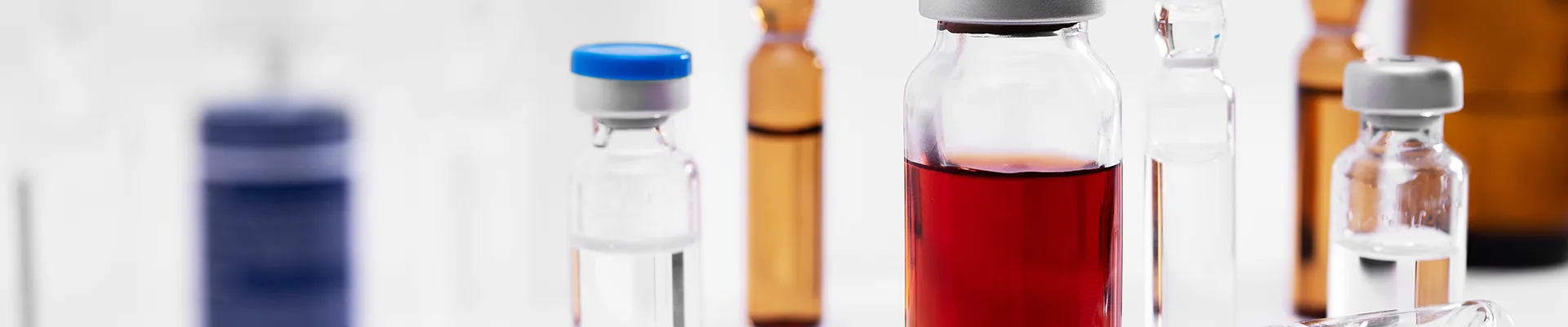
An amber glass bottle 100ml is a specialized packaging container widely used for storing, protecting, and dispensing light-sensitive liquids across industries such as pharmaceuticals, cosmetics, aromatherapy, laboratories, and chemical manufacturing. Its defining feature is the amber-colored glass, which provides effective protection against ultraviolet (UV) radiation, helping to maintain the stability, potency, and shelf life of sensitive substances.
The 100ml capacity represents a standard mid-small volume, making it suitable for both commercial retail packaging and professional use. It balances portability with sufficient storage capacity, which is why it is commonly chosen for essential oils, serums, tinctures, herbal extracts, medicinal solutions, and specialty liquids.
At the material level, amber glass bottles are typically made from high-quality borosilicate glass or soda-lime glass. Borosilicate glass offers superior thermal resistance and chemical stability, making it ideal for laboratory and pharmaceutical applications. Soda-lime glass is more commonly used in mass production due to its cost efficiency and adequate durability for general consumer products. In both cases, the amber coloration is achieved by adding iron, sulfur, and carbon compounds during the glass manufacturing process, which filters out harmful UV wavelengths in the range that can degrade organic compounds.
One of the most important advantages of amber glass bottles is their ability to protect contents from photodegradation. Many organic and chemical substances, such as essential oils, vitamins, plant extracts, and active pharmaceutical ingredients, are highly sensitive to light exposure. Without proper protection, these substances may oxidize, lose potency, or undergo undesirable chemical reactions. The amber glass acts as a natural barrier, extending product stability without requiring additional chemical stabilizers.
In terms of design structure, a 100ml amber glass bottle typically comes in various shapes such as cylindrical, Boston round, Euro dropper style, or straight-sided formats. Each design serves different functional and aesthetic purposes. For example, Boston round bottles are widely used in pharmaceuticals due to their classic shape and compatibility with droppers and caps, while straight-sided bottles are often preferred in cosmetics for labeling and branding efficiency.
Closure systems are another critical aspect of amber glass bottle functionality. Common closure types include screw caps, dropper assemblies, spray pumps, lotion pumps, and tamper-evident caps. These closures ensure product safety, controlled dispensing, and user convenience. In pharmaceutical applications, child-resistant caps may also be required to meet regulatory standards.
From a manufacturing perspective, glass bottles undergo high-temperature molding processes, followed by annealing to relieve internal stress and enhance durability. Quality control measures include dimensional inspection, wall thickness uniformity testing, pressure resistance testing, and leak detection. This ensures that each bottle meets industrial safety and performance standards before reaching the market.
Amber glass bottle 100ml packaging is widely used in the cosmetic industry for products such as facial serums, essential oil blends, toners, and herbal skincare solutions. The premium appearance of amber glass also enhances brand perception, giving products a more natural, scientific, or high-end aesthetic. In aromatherapy, these bottles are essential for preserving volatile aromatic compounds that would otherwise degrade under light exposure.
In pharmaceutical and laboratory environments, these bottles are used for storing reagents, chemical solutions, and liquid medicines. Their chemical inertness ensures that they do not react with stored substances, making them a safe and reliable packaging option. Additionally, their reusability and recyclability align with modern sustainability goals, reducing environmental impact compared to plastic alternatives.
The logistics and supply chain advantages of 100ml amber glass bottles are also significant. Their standardized size allows for efficient packaging, stacking, and transportation. They are compatible with automated filling and labeling systems, which improves production efficiency in large-scale manufacturing environments.
In recent years, the demand for amber glass bottles has increased due to rising consumer awareness of product safety, sustainability, and eco-friendly packaging. Many brands are shifting from plastic to glass packaging to enhance product integrity and appeal to environmentally conscious consumers. Glass, being inert and fully recyclable, is increasingly seen as a premium packaging material.
Technological advancements have also improved the functionality of amber glass bottles. Anti-breakage coatings, lightweight glass formulations, and precision molding techniques have enhanced durability while reducing production costs. Some manufacturers also integrate smart labeling systems, QR codes, and tamper-proof seals to improve traceability and consumer engagement.
In conclusion, the amber glass bottle 100ml is more than just a container; it is a critical component in modern packaging systems that ensures product safety, quality preservation, and brand value. Its combination of UV protection, chemical stability, aesthetic appeal, and environmental sustainability makes it an indispensable solution across multiple industries.
Relevant News
